Università degli Studi di Napoli Federico II
Dipartimento di Studi Umanistici  ·  Dipartimento di Giurisprudenza
International Language and Law Association
ILLA
8th General ILLA Conference & 6th ILLA Focus Conference on Forensic Linguistics
International Language and Law Association

The Changing Landscapes of
Language and Law

History, Theory and Practice

Focus Conference
29 June 2027
General Conference
30 June – 2 July 2027
Language
English
--
Days
--
Hours
--
Minutes
--
Seconds
Università degli Studi di Napoli Federico II
International Language and Law Association

8th General ILLA Conference & 6th Focus Conference

We are delighted to announce the 8th General Conference of the International Language and Law Association (ILLA), to be held at the University of Naples Federico II, one of the oldest universities in the world, founded in 1224.

The relationship between language and law is complex, multifaceted, and constantly evolving. It unfolds across a wide range of dimensions — legal interpretation, legal translation, forensic linguistics, institutional communication, and the construction of normative frameworks — and has taken different forms over time, shaped by historical developments, theoretical paradigms, and practical applications.

This conference explores the dynamic interplay between language and law along multiple axes. Diachronic perspectives and future-oriented approaches are brought into dialogue: from the linguistic analysis of ancient and pre-modern legal texts to emerging developments driven by technological advances, particularly artificial intelligence, which is reshaping both legal theory and practice, specialised translation, and multilingual legal communication. A further key axis concerns the relationship between theoretical reflection and practical analysis — dimensions conceived not as separate, but as intersecting and mutually enriching.

Contributions are welcome from the philosophy of law, legal argumentation, forensic linguistics, legal translation, discourse analysis, and all fields at the intersection of language and law. We particularly encourage work that bridges theory and practice and explores innovative or interdisciplinary approaches.

Conference Chair & Organising Committee Paolo Greco
Edition
8th General ILLA Conference
&
6th ILLA Focus Conference on Forensic Linguistics
Dates
29 June 2027
6th ILLA Focus Conference on Forensic Linguistics
30 June – 2 July 2027
8th General ILLA Conference
Host Institution
University of Naples Federico II
Naples, Italy
Language
English

Keynote Speakers

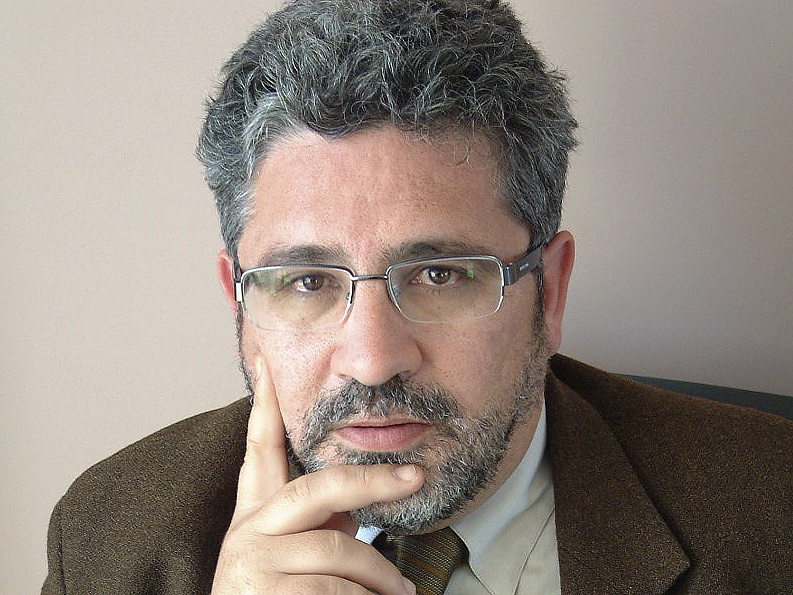
Josep Joan Moreso
Josep Joan Moreso
Universitat Pompeu Fabra Barcelona
Title of keynote talk — to be announced
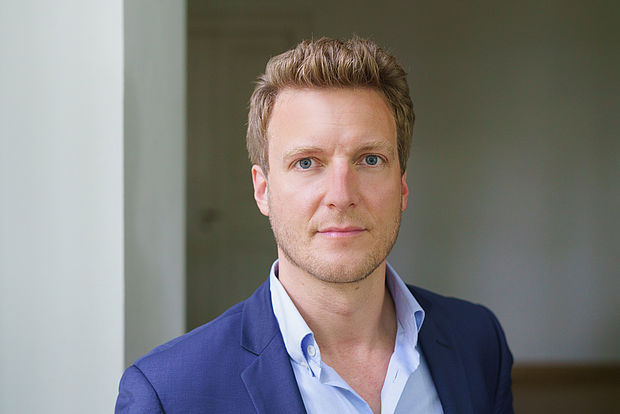
Jacqueline Visconti
Jacqueline Visconti
Università di Genova
Title of keynote talk — to be announced
?
Speaker Name
Affiliation — To be announced
Title of keynote talk — to be announced
?
Speaker Name
Affiliation — To be announced
Title of keynote talk — to be announced

Keynote speakers will be announced in due course. Please check back for updates.

Call for Papers

8th General ILLA Conference

The relationship between language and law is complex, multifaceted, and constantly evolving. It unfolds across a wide range of dimensions, including legal interpretation, legal translation, forensic linguistic analysis, institutional communication, and the construction of normative frameworks.

This conference aims to explore the dynamic interplay between language and law along multiple axes — diachronic and future-oriented, theoretical and practical — with particular attention to emerging developments driven by recent technological advances, including artificial intelligence.

We particularly welcome contributions that bridge theory and practice, and that explore innovative or interdisciplinary approaches.

PhD students and early-career researchers are warmly encouraged to submit proposals to the thematic areas. Contributions based on ongoing research projects and work in progress are also welcome. The thematic sessions are intended to provide a constructive setting for discussion and feedback among colleagues working on related topics.

Topics of Interest

  • AI and legal decision-making, automation, and accountability
  • Comparative and cross-cultural perspectives on language and law
  • Digital communication and new legal genres
  • Discourse, pragmatics, and rhetoric in legal contexts
  • Disinformation and hate speech
  • Historical and diachronic perspectives on language and law, including the analysis of ancient and pre-modern legal texts
  • Hybrid forms between legal, administrative, and public discourse
  • The impact of artificial intelligence on legal practice and legal linguistics
  • Language in the courtroom
  • Language, power, and ideology in legal systems
  • Legal drafting, plain language movements, and accessibility of legal texts
  • Multilingualism, legal translation, and interpreting in legal settings
  • The relationship between theory and practice in legal and linguistic analysis
  • Specialized translation, legal terminology and translation theory
  • Theoretical approaches to legal language, legal interpretation, and legal argumentation
  • The transformation of professional practices through AI

Types of Contributions

I
Individual Papers

Oral presentations of 20 minutes followed by 10 minutes of discussion, submitted to one of the conference thematic areas.

P
Panel Proposals

Proposals for conference panels within the framework of a thematic area or one of the conference topics of interest, submitted by the panel chair (for details on submitting a panel proposal, see further below in this section of the website).

Thematic Areas

Individual papers should address issues within one of the following thematic areas:

Courtroom Interaction in the Digital Age
Coordinator: Magdalena Szczyrbak (Jagiellonian University, Kraków)
+
Court proceedings are moving away from traditional models and strict in-person rules towards more flexible, digital formats. At the same time, new technologies are reshaping interaction patterns, affecting power relations, and redefining spatial boundaries in modern trials. This section aims to bring together scholars exploring these recent trends, including the emergence of virtual courtrooms and remote video hearings, digital evidence presentation, the role of user-generated evidence and the effect of AI tools on judicial decision-making. The section similarly seeks to relate these new practices to larger societal issues surrounding legal practice, such as (social) media representations of law and justice, access to justice and procedural fairness, as well as public trust in legal institutions and processes. We encourage those interested to submit papers that discuss diverse aspects of how digital technologies affect traditional court proceedings, reshape interaction patterns and redefine epistemic hierarchies. Various research perspectives are welcome, including pragmatics, (multimodal) discourse analysis, sociolinguistics and social semiotics.
Disinformation and Hate Speech
Coordinator: Victoria Guillén Nieto (University of Alicante)
+
Disinformation and hate speech across mass media, social platforms, and digital channels pose a growing challenge for democratic states. Disinformation aims to polarise public opinion, disrupt elections, undermine public health initiatives, and erode trust in institutions. UNESCO defines disinformation as "the deliberate spread of false or misleading information, often aimed at deceiving or manipulating individuals or groups." Its main objectives are to sway public opinion, influence political or military outcomes, or generate profits. Disinformation is intended to deceive by spreading fabricated content such as lies, rumours, and false stories; it involves manipulation through deepfakes, images taken out of context, or misleading headlines to distort real events; and it is also aimed at weaponisation, using social bots and algorithms in campaigns to amplify socio-political divisions and conflicts. Hate speech online remains an increasing social problem, as hate-advocating speakers use it to exclude target groups from mainstream society and keep them on the societal margins. Legally, hate speech extends beyond mere offensive language; it can be prohibited by law only when it involves "[…] any advocacy of national, racial or religious hatred that constitutes incitement to discrimination, hostility or violence" (International Covenant on Civil and Political Rights (1966), Article 20, paragraph 2). This standard indicates that, at the micro level, hate speech is a complex speech act because it simultaneously performs two actions: a) what the speaker commits to, and b) what the speaker calls on the hearer to perform (Beyssade & Marandin, 2006; Guillén-Nieto, 2023a, pp. 123–124; Guillén-Nieto, 2023b, pp. 189–194). Consequently, implicitness, indirectness, pragmatic inference (what can be inferred from what is said) (Elder, 2024), accountability and deniability are central to assessing intent in (online) hate speech cases for fact finders and legal adjudicators (cf. Rabat Plan of Action on the prohibition of advocacy of national, racial or religious hatred that constitutes incitement to discrimination, hostility or violence, 2012). This thematic area encourages submissions of individual papers or panels with more than three related papers on disinformation and/or hate speech, studied from legal, linguistic, or legal-linguistic perspectives. Papers discussing theoretical issues, as well as empirically based studies of specific problems, are welcome. References
Beyssade, C., & Marandin, J.-M. (2006). From complex to simple speech acts: A bi-dimensional analysis of illocutionary forces. In R. Fernández & D. Schlangen (Eds.), Brandial'06: Proceedings of the 10th Workshop on the Semantics and Pragmatics of Dialogue (SemDial-10) (pp. 42–49). University of Potsdam.
Elder, C.-H. (2024). Pragmatic Inference: Misunderstandings, Accountability, Deniability. Cambridge University Press.
Guillén-Nieto, V. (2023a). Hate Speech: Linguistic Perspectives. Mouton De Gruyter.
Guillén-Nieto, V. (2023b). The wording of hate speech prohibition: "You can't see the wood for the trees". In V. Guillén-Nieto, A. Doval & D. Stein (Eds.), From Fear to Hate: Legal-Linguistic Perspectives on Migration (pp. 173–199). Mouton de Gruyter.
International Covenant on Civil and Political Rights (1966), Article 20, paragraph 2.
Rabat Plan of Action on the Prohibition of Advocacy of National, Racial or Religious Hatred that Constitutes Incitement to Discrimination, Hostility or Violence (2012). Available at concernedhistorians.org
UNESCO. Definition of disinformation. Available at unesco.org
Language, Law and Legal Documentation in Historical Perspective
Coordinators: Elisa D'Argenio (University Ca' Foscari Venice) / Paolo Greco (University of Naples Federico II)
+
The relationship between language and law is of central importance for linguistic studies in general, and for historical linguistics in particular, since legal texts offer a privileged perspective on phenomena of continuity and change. Their terminology, textual structures, and recurrent patterns of expression may remain stable over long periods, enabling legal meanings to be transmitted, recognized, and interpreted across different contexts. At the same time, legal texts respond to evolving social, institutional, and communicative conditions and may therefore provide valuable evidence of semantic, lexical, and textual innovation, as well as of the adaptation and transformation of inherited models. For this reason, different types of legal texts (laws, notarial documents, court records, statutes, formularies, glosses, translations, juridical treatises…) are valuable sources for examining how linguistic forms operate across different levels of use: from technical and institutional writing to documentary practice, from learned models to local traditions, and, in some cases, from spoken language to its written representation. They show how legal meaning is shaped through different textual forms and how linguistic choices are conditioned by the purposes, conventions, and contexts of legal writing. In this way, legal texts make it possible to study not only the history of legal discourse, but also the interaction of different linguistic levels in diachrony, especially where formulaic and highly conventionalized forms coexist with usages more closely connected to specific communicative situations. Precisely because they often stand at the intersection of different linguistic traditions, legal texts are also crucial for the study of language contact in historical perspective: they may preserve traces of multilingual practices, translation processes, lexical borrowing, semantic interference, and the adaptation of legal terminology across languages and cultures. The thematic area therefore invites contributions that investigate language and law in historical perspective, with particular regard to the linguistic analysis of legal texts, the role of legal writing in processes of language change, the formation and transmission of legal discourse traditions and documentary formulae, the relationship between legal terminology and social or institutional structures, and the methodological challenges posed by non-literary legal sources. By bringing together linguistic, sociolinguistic, philological, paleographical and legal-historical approaches, the area aims to explore how legal texts can illuminate processes of language variation and change, and the ways in which language, law, and society shape one another across time.
Language of Legislation (and its historical development)
Coordinator: Salvatore Marino (University of Naples Federico II)
+
The language of legislation – understood as a 'positive' set of laws enacted by a recognized authority – displays distinctive features within the broader domain of technical legal language. Its structure is centered on its essential preceptive core, yet extends beyond it, integrating definitional, descriptive, and qualifying elements, both syntactically and terminologically. Its institutionally enhanced performativity – realized by each linguistic system according to its own structure – is crucial for the relationship between the norm-issuing authority and its addressees. In doing so, the language of legislation deals with inclusion and exclusion (of entities, persons, facts), reveals or conceals underlying frameworks (historical, ideological, cultural), reflects a mindset, and also constitutes a factor that contributes to shaping it. The fact that legal language in general, and the language of legislation in particular, often represents one of the earliest forms of transmitted language (whether oral or written) within a society also allows for a historical analysis, focusing on its origins or on its broader patterns of development, as well as on related aspects, as this module in particular aims to do. References
Austin, J. L. (1976): How to Do Things with Words. Oxford University Press.
Carcaterra, A. (1972): Semantica degli enunciati normativo-giuridici romani. Bulzoni.
Carcaterra, G. (1979): La forza costitutiva delle norme. Bulzoni.
Christensen, R. (1989): Was heißt Gesetzesbindung? Eine rechtslinguistische Untersuchung. Duncker & Humblot.
Daube, D. (1956): Forms of Roman Legislation. Clarendon Press.
De Meo, C. (1986): Lingue tecniche del latino. Pàtron.
Dong, X. / Zhang, Y. (2023): On the Standardization of Chinese Legislative Language. Springer Nature, Singapore.
Grimm, J. (1816): Von der Poesie im Recht. Zeitschrift für geschichtliche Rechtswissenschaft, 2, 25–99.
Maley, Y. (1987): The language of legislation. Language in Society, 16(1), 25–48.
Ong, W. (1982): Orality and Literacy: The Technologizing of the Word. Methuen.
Searle, J. R. (1989): How Performatives Work. Linguistics and Philosophy, 12(5), 535–558.
Yaron, R. (1989): The Laws of Eshnunna. 2nd ed. Magnes Press / Brill.
Law, Language and Social Justice
Coordinator: Frances Olsen (UCLA)
+
We are soliciting papers focused on improving social justice. Because law is a profession of words, (David Mellinkoff, The Language of the Law (1963)) we welcome a close examination of the language that lawyers and judges deploy to disguise or even legitimate injustice so these may be exposed and remediated. We welcome examination of the implicit propaganda — the tacit and often biased assumptions — that lurk beneath the surface of unperturbed probity but that lubricate the wheels and cogs of deceit if not unfairness and sometimes, oppression.

This thematic area includes papers that examine and explore not only legal proceedings themselves, but also the legislative process that generates the laws, and even the social and linguistic norms that seem to make some proceedings reasonable and normal when reflection suggests that they are anything but that. For example, one might examine how some judge manipulated or abused language to obscure or justify the unfair and inappropriate application of a law or legal regulation to a defendant. Another possibility would be to investigate how the choice of language used in a debate by legislators or others over proposed regulation of various behavior subtly pushed the argument in an unjust direction. There are many issues that could be considered questions “about” (1) morality and decency, (2) exploitation and oppression, (3) privacy and bodily autonomy, or (4) economic and entrepreneurial freedom. These include such things as the exchange of sex for money (or similar object of value), non-traditional reproductive assistance (selling eggs or sperm or gestating a baby for another), transgender medicine, and abortion. Another example would be language that creates new labels that can facilitate a cause of action, such as “sexual harassment” and “hate speech” or can circumvent constitutional protections, such as “terrorist,” “gang,” “hate speech” and “disinformation.”

We welcome papers taking any of these or other approaches that relate language and law with social justice.
Legal Rhetoric and Argumentation in Changing Institutional Contexts
Coordinators: Stanisław Goźdź-Roszkowski (University of Lodz) / Paulina Nowak-Korcz (University of Lodz)
+
This thematic area explores the evolving role of rhetoric and argumentation in legal and institutional discourse across changing social, political, and technological landscapes. Legal communication is increasingly shaped by shifting expectations regarding legitimacy, accessibility, transparency, and public engagement, while emerging technologies and new media environments continue to transform the ways legal authority is constructed and contested. The section welcomes contributions examining the linguistic, rhetorical, and argumentative dimensions of legal discourse in a wide range of institutional settings, including courts, legislatures, international organisations, and administrative bodies. Topics may include judicial rhetoric and dissent, evaluative language in legal reasoning, strategic manoeuvring and persuasion, narrative and framing in legal argumentation, institutional voice and authority, populist and anti-populist legal discourse, human rights communication, and the impact of AI and computational technologies on legal argumentation and legal communication. Particular welcome is given to interdisciplinary and methodologically innovative approaches drawing on legal linguistics, discourse analysis, rhetoric, corpus linguistics, argumentation theory, socio-legal studies, and related fields.
Legal Translation and Interpreting
Coordinators: Fabrizio Gallai (IULM, Milan) / Katia Peruzzo (University of Trieste)
+
The right to language assistance in legal proceedings is essential for access to justice, placing legal translators and interpreters in a key role. However, persistent structural issues — such as shortages of qualified professionals and uneven professionalisation — continue to affect service quality (Anesa & Cantagalli 2025). These challenges now intersect with rapid technological developments. Tools such as AI-assisted translation, automatic speech recognition, and speech-to-speech systems promise greater efficiency and broader language coverage, but raise concerns about accuracy, accountability, and trust in legal contexts (EULITA 2025; SAFE AI 2025; Peeters et al. 2025; Runyon 2025; Torvatn et al. 2026). Research (e.g., Bowker 2024; Phanthaphoommee et al. 2026; Vieira 2024) also shows that these technologies may blur the boundaries between translation and interpreting, challenging traditional distinctions. This thematic area adopts a human-in-the-loop perspective to explore the evolving landscape of legal translation and interpreting at the intersection of technology, methodology, and practice. Its aim is to contribute to describing professional and training challenges in the field by using either traditional or innovative analytical methodologies. Particular attention will be given to AI-assisted legal translation workflows, legal interpreter agency, power asymmetries, and risks of epistemic injustice in multilingual encounters. References
Anesa, P., & Cantagalli, F. (2025). The Right to Language Assistance in Italian Criminal Proceedings: A Case Study of the Interpreting Service at the Milan Courthouse. Iperstoria, 25.
Bowker, L. (2024). Teaching machine translation literacy to non-translation students: A case study at a Canadian university. In M. Winters, S. Deane-Cox and Böser (Eds.) Translation, interpreting and technological change: Innovations in research, practice and training (pp. 180–201). Bloomsbury.
EULITA (2025). Written evidence (ITS0053). Hearing on ITS0053 before the Inquiry into Interpreting and translation services in the courts, House of Lords 2024–2025. Available at committees.parliament.uk
Peeters, K., Daems, J., Plieseis, C., Sahin, M., & Rival Ginel, I. (2025). AI for Translation and Interpreting. A Roadmap for Users and Policy Makers. Available at celelc.org
Phanthaphoommee, N., Pidchamook, W., Castilho, S., & Moorkens, J. (2026). Empowering Migrant Communities through Machine Translation Literacy. Journal of Ethnic and Cultural Studies, 13(2), 6–28.
Runyon, N. (2025). AI in court translation: Navigating opportunities, risks & the human factor. Thomson Reuters Institute. Available at thomsonreuters.com
SAFE AI (2025). AI Interpreting Solutions Evaluation Toolkit: Ensuring the Integrity of Communication. Available at safeaitf.org
Torvatn, H., Landmark, A. D., Papamitsou, Z., Petersen, S. A., Colom, M. A., Solum, K. L., & Fantinuoli, C. (2026). Between Humans and Machines: Emerging technologies, possibilities and challenges in the field of public sector interpreting in Norway. SINTEF Digital.
Vieira, L. N. (2024). Uses of AI translation in UK public service contexts: A preliminary report. CIOL. Available at ciol.org.uk
LLLLM: Law, Language, and Large Language Models
Coordinators: Katharina Isabel Schmidt (Max Planck Institut für ausländisches und internationales Privatrecht Hamburg) & Dieter Stein (Heinrich Heine University Düsseldorf)
+
Artificial intelligence and law share a fundamental common ground: both are inherently language-based. This convergence invites reflection on what the rise of AI means for law as a practice, a set of genres, and a normative system. Language has always shaped the way law is conducted and communicated. Previous major shifts in its linguistic packaging have transformed not only the form but also, to varying degrees, the substance of legal discourse. The transition from the spoken to the written word, and later from written to digital communication, are telling examples of this. The emergence of a new, computationally mediated notion of language raises the same question with renewed urgency: are we witnessing a change in the packaging alone, or something deeper? This thematic area explores the various facets of this process, whether still unfolding or already established, and welcomes contributions that examine how large language models are reshaping legal language, legal reasoning, and legal practice.
The Role of Humans and AI in Legal Communication
Coordinators: Karin Luttermann (University of Eichstätt-Ingolstadt) / Jan Engberg (University of Aarhus)
+
The legitimacy of a functioning legal order rests not only upon formally correctly drafted laws and judicial decisions arrived at through formally correct legal procedures, but also upon the ability of citizens to comprehend and accept the law. To this end, legal norms and judgments must be formulated in such a way that they provide guidance and are understandable to the intended recipients. In legal practice, however, a distinct gap is evident between this ideal and (specialised) legal discourses, which are frequently difficult to understand. In this context, incomprehensibility emerges not merely as a communicative problem, but also as a democratic one. Criticism regarding the incomprehensibility of legal language is not a new phenomenon (e.g., Lerch 2004); rather, it is a challenge that has grown over the years – one that legal linguistics addresses from theoretical, methodological, and practical perspectives. The spectrum of studies ranges from comparative linguistic-legal approaches (examining, for example, directives and regulations) to corpus-linguistic, system-linguistic, and text-type-specific analyses (focusing, for instance, on legal contracts and statutes), extending to communication- and popularisation-oriented approaches. These latter approaches examine and describe the relationship between law, language, and communication of texts mediating the law (such as information brochures, ministerial websites, and explanatory videos), and also develop application-oriented solutions (e.g., Breeze/Szczyrbak in press; Felder/Vogel 2017; Luttermann/Engberg 2023, 2025). With the upcoming of artificial intelligence (AI) and Large Language Models (LLMs), legal communication faces a profound transformation. LLMs generate already summaries or explanatory texts in mere seconds and make them widely accessible (Stodden 2023). Does this mean that automated law is far more understandable to citizens than non-AI-based law? What role do humans play in the production, reception, mediation, and translation of texts to ensure clarity in the law? What potential do language models hold for legal communication that is both comprehensible and appropriate to the subject matter? This panel will focus on these and other related questions. References
Breeze, Ruth / Szczyrbak, Magdalena (Eds.) (in press): Improving legal communication: language-centred approaches.
Felder, Ekkehard / Vogel, Friedemann (Eds.) (2017): Handbuch Sprache im Recht.
Lerch, Kent D. (Ed.) (2004): Die Sprache des Rechts. Recht verstehen. Verständlichkeit, Missverständlichkeit und Unverständlichkeit von Recht.
Luttermann, Karin / Engberg, Jan (Eds.) (2023): Popularisation as a method of knowledge mediation in legal linguistics.
Luttermann, Karin / Engberg, Jan (Eds.) (2025): Digitalisation and multimodal resources in discursive legal processes.
Stodden, Regina (2023): DEPlain. Available at github.com/rstodden/DEPlain
Seeing the Law: Audiovisuality, Metaphor and Crime Narratives in Legal Discourse
Coordinator: Flavia Cavaliere (University of Naples Federico II)
+
Law and justice are no longer confined to courtrooms, statutes, and institutional settings: they are increasingly experienced through streaming platforms, crime fiction, documentaries, podcasts, memes, social media, and other audiovisual and digital environments. Images and opinions of law are circulated through images, sounds, narratives, metaphors, and multimodal forms of representation that shape public understandings of crime, authority, morality, and justice. This thematic area explores the multiple ways in which law, justice, and crime are represented, constructed, negotiated, and mediated across audiovisual, visual, and narrative media. Moving beyond traditional approaches to language in the law, it invites interdisciplinary submissions examining the multimodal dimensions of, including audiovisual resources, metaphor, images, crime fiction, and other forms of cultural representation. This area further invites contributions exploring the interplay between cognition and mediated representations of law and crime across a variety of communicative environments, such as cinema, television, streaming services, videogames, podcasts, and social media. Particular interest will be devoted to issues of multilingual communication, accessibility, and audiovisual transfer, as well as to the ways in which legal and crime-related media engage cognitive and affective processes including perception, emotional response, memory, attention, and meaning-making. The aim is to encourage interdisciplinary discussion of how audiences interpret, process, and experience legal narratives through contemporary multimodal media forms.
Sources of Language and Law: Why Open Access Matters
Coordinators: Hanjo Hamann (EBS Law School, Wiesbaden) / Friedemann Vogel (University of Siegen)
+
Research at the intersection of language and law depends on access to its sources, yet that access is strikingly uneven. Data from the judiciary – court decisions, case files, the everyday textual output of courts and prosecutors – often remains barely accessible or available only under heavy restrictions, leaving much of how law actually works in the dark. In the field of legislation the situation has improved in places, with more statutes and parliamentary materials published openly, but significant blind spots persist: historical layers, subordinate regulation, administrative guidance, political lobbying and the documentary trail behind enacted texts frequently stay out of reach. This raises a question that this thematic area places at its centre: who actually controls access to these data, and on what legal basis is such control exercised? The question has gained new urgency with the rise of "free" AI systems. By appearing to make legal and linguistic knowledge instantly available, they suggest a kind of open access – but de facto they risk becoming unaccountable gatekeepers. Their answers stand in for the sources, while the underlying (training) data, its provenance, and the terms on which it was obtained remain opaque. Accessibility of output is not the same as access to sources. We invite papers and panels addressing, among others: the legal and institutional regimes that govern access to judicial and legislative data; the gap between formal publication and genuine usability; the methodological and ethical stakes of building open corpora of legal language; and the role of AI systems as de facto intermediaries between citizens, scholars, and the law. We welcome theoretical, empirical, and methodological contributions, and especially interdisciplinary perspectives connecting linguistics, law, digital humanities, and information science.
Textual Interpretation in Times of Constitutional Crises in the US
Coordinator: Dale Lanard Gronemeier (University of Texas at San Antonio)
+
The US has been in an escalating series of constitutional crises over the last decade. Analysis at the intersection of law and language of these continuing crises is essential for understanding them. The theme of textual interpretation in times of constitutional crises will explore such sub-themes as the following: • Corpus linguistics in constitutional crises: how corpus methods reshape "ordinary meaning" in high-stakes constitutional disputes (e.g., Second Amendment, elections, impeachment, emergency powers, nondelegation); • Original public meaning and semantic theory: how semantic theory (fixation, polysemy, vagueness, implicature) interacts with original public meaning in constitutional crises; • Text, democracy, and emergency powers: how courts interpret constitutional text during democratic stress — contested elections, emergency powers, executive overreach, and breakdowns in institutional norms.
Varieties of Philosophical and Methodological Approaches in the Research on Law and Language
Coordinators: Paweł Banas (University of Warsaw) / Adam Dyrda (Jagiellonian University, Kraków) / Tomasz Gizbert-Studnicki (Jagiellonian University, Kraków)
+
It is an obvious fact that researchers working on Law and Language adopt (explicitly or implicitly) different philosophical assumptions, apply different methodologies, and approach research problems from different perspectives. Those who are more philosophically oriented either follow the philosophical tradition of ordinary language philosophy or apply formal methods elaborated in the reconstructionist trend in the philosophy of language. Those who look at Law and Language from the perspective of linguistics have a choice between traditional structuralist approaches and the accounts proposed by cognitive linguistics. Researchers looking at Law and Language from the perspective of the social sciences use the conceptual apparatuses and methods of the sociology of language, sociolinguistics, communication science, and so on. The purpose of this thematic area will be to compare various approaches, discuss their strengths and weaknesses, investigate their compatibility, and reflect on the possibilities for mutual cooperation. Papers presenting general accounts of particular approaches, general comparisons of different approaches, and papers discussing the application of various approaches to specific problems of Law and Language are all welcome.

Submission Guidelines

Abstract for Individual Papers

We invite abstracts for oral presentations (20 min + 10 min discussion). Abstracts must be submitted exclusively through the conference abstract management system.

Each abstract must include:

  • Purpose statement
  • Research problem
  • State of the art
  • Hypotheses or research questions
  • Methods, instruments and tools
  • Main conclusions or relevance statement
  • References (up to five)

Maximum length: 500 words, including references.

Panel Proposals

Panel proposals must be submitted by the panel chair and must contain:

  • Title of the panel
  • Name(s) of the chair(s)
  • Thematic area (or topic of interest) of reference
  • Outline of the theme and purpose (250–500 words)
  • Names of speakers
  • Titles and abstracts for each paper

The panel chair must send all this information to illalanguageandlaw@gmail.com, putting all panel participants in CC.

Note: Authors of individual papers within a panel do not need to submit their abstracts separately following the general guidelines.

Download Call for Papers Submit Your Abstract
Focus Conference

6th ILLA Focus Conference on Forensic Linguistics

Title Language as Evidence
Date 29 June 2027
Venue University of Naples Federico II, Naples, Italy
Organisers Victoria Guillén-Nieto (University of Alicante) & Dieter Stein (Heinrich Heine University Düsseldorf)

The General Conference is preceded by the 6th ILLA Focus Conference in Forensic Linguistics: Language as Evidence, to be held on 29 June 2027 at the University of Naples Federico II. The Focus Conference is organised by Victoria Guillén-Nieto (University of Alicante) and Dieter Stein (Heinrich Heine University Düsseldorf).

Building on the success of previous editions, this Focus Conference brings together language scientists and legal practitioners around the theme of Language as Evidence. We invite abstract proposals covering the full range of inquiry within Forensic Linguistics, including authorship identification, speaker identification, plagiarism detection, language crimes, cybercrimes, deception and lie detection, and the impact of AI on forensic linguistic tasks. Contributions are also welcome on the role of the language expert in criminal investigations, the linguist as an expert witness in court, communication and interaction between lawyers and language experts, courtroom interaction, admissibility criteria, and ethics.

As in previous editions, the conference also accepts panel proposals. Each panel proposal should include an introduction by the panel organiser justifying the relevance of the topic, together with a minimum of four abstracts. Panel proposals for the Focus Conference should be sent directly to the organisers (victoriaguillenieto@gmail.com and stein@hhu.de) with the subject line: Panel proposal – 6th ILLA Focus Conference on Forensic Linguistics, with all panel participants in CC.

As a novelty, the Focus Conference also welcomes poster proposals to encourage postgraduate students to present their research in progress. (Common standard size: A0 Paper Size (International Standard); measures 84.1 x 118.9 cm (33.1 x 46.8 inches)).

Individual abstracts for papers or posters for the Focus Conference should be sent directly to the organisers at victoriaguillenieto@gmail.com and stein@hhu.de. Abstracts must be anonymised; the author(s)' name(s) and affiliation(s) should be included in a separate file attached to the same email. Abstracts must be no more than 500 words and follow APA style guidelines.

Important Dates

Abstract Deadline
15 October 2026
Notification of Acceptance
20 November 2026
Preliminary Programme
1 December 2026
Early Bird Registration Deadline
1 March 2027
Regular Registration Deadline
15 April 2027
Final Programme
30 April 2027

Conference Programme

The full programme will be updated once the schedule is confirmed (preliminary: 1 December 2026 · final: 30 April 2027).

6th ILLA Focus Conference on Forensic Linguistics
08:30 – 09:00
Registration
Onsite Registration
Università di Napoli Federico II
09:00 – 09:30
Opening
Conference Opening
Organisers & Welcome Addresses
09:30 – 11:00
Session I
[Thematic focus — e.g. Authorship & Speaker Identification]
[Paper Title] — [Author, Institution]
[Paper Title] — [Author, Institution]
[Paper Title] — [Author, Institution]
11:00 – 11:30
Break
Coffee Break
11:30 – 13:00
Session II
[Thematic focus — e.g. Language Crimes & Hate Speech]
[Paper Title] — [Author, Institution]
[Paper Title] — [Author, Institution]
[Paper Title] — [Author, Institution]
13:00 – 14:00
Break
Lunch Break
14:00 – 15:30
Session III
[Thematic focus — e.g. AI, Deception & Digital Evidence]
[Paper Title] — [Author, Institution]
[Paper Title] — [Author, Institution]
[Paper Title] — [Author, Institution]
15:30 – 16:00
Break
Coffee Break
16:00 – 16:30
Session IV
[Thematic focus — e.g. Courtroom Interaction & Expert Witness]
[Paper Title] — [Author, Institution]
[Paper Title] — [Author, Institution]
[Paper Title] — [Author, Institution]
16:30 – 17:30
Round Table
[Round Table Title — e.g. The Role of the Expert Witness: Theory and Practice]
Chairs: [TBC] · Participants: [TBC]
17:30
Closing
Closing of the Focus Conference
17:30 – 19:00
EC Meeting
ILLA Executive Committee Meeting
Room TBC

Conference Registration

Registration opens on 23 November 2026. Fees include lectures, materials, badge, coffee breaks, and lunches. The Full package also includes the welcome reception, conference dinner, and cultural programme.

Please note: member rates apply to those holding ILLA membership for the 2027/2028 biennium. Membership for 2026 alone does not qualify for member rates.

Academics & Professionals

PackageILLA Members 2027/2028Non-members
Early Bird Basic (by 1 Mar 2027)€170€230
Early Bird Full (by 1 Mar 2027)€240€300
Regular Basic (by 15 Apr 2027)€250€310
Regular Full (by 15 Apr 2027)€300€360

Students

PackageFee
Early Bird Basic (by 1 Mar 2027)€110
Early Bird Full (by 1 Mar 2027)€140
Regular Basic (by 15 Apr 2027)€160
Regular Full (by 15 Apr 2027)€190

Non-member fees include a €60 ILLA membership contribution (covering the 2027/2028 biennium).

Not sure whether you are an ILLA member? Write to illa4members@gmail.com

Important Dates

Registration opens23 November 2026
Early Bird deadline1 March 2027
Regular registration deadline15 April 2027

Payment Details

Payments should be made via bank transfer to the following account:

INTERNATIONAL LANGUAGE AND LAW ASSOCIATION
IBAN ES09 2100 4433 3902 0016 8766
BIC/SWIFT CAIXESBBXXX
Payment description
SURNAME NAME ILLA 2027 CONFERENCE FEE BASIC/FULL

For bank transfers from outside the EU, the association's address is: Departamento de Filología Inglesa, Facultad de Filosofía y Letras, Campus de San Vicente del Raspeig s/n, C.P. 03690, Alicante/Alacant (Spain).

Venue

The conference will be hosted by the University of Naples Federico II, the oldest public university in the world, founded by Emperor Frederick II in 1224. Located in the heart of Naples, a UNESCO World Heritage city, the university offers a magnificent setting for scholarly exchange.

Università degli Studi di Napoli Federico II Corso Umberto I, 40
80138 Naples, Italy

Recommended Hotels

Practical Information

By Air

Naples International Airport (NAP) — Aeroporto di Napoli-Capodichino — is located approximately 7 km from the city centre and is well connected by taxi, bus and rideshare services.

🚆
By Train

Naples Centrale station offers high-speed connections to Rome (1h), Milan (5h), and other major Italian cities. The station is accessible by metro from the city centre.

🏙
Naples

Naples is a vibrant UNESCO-listed city renowned for its historic centre, world-class archaeology, Neapolitan cuisine, and proximity to Pompeii, Herculaneum, and the Amalfi Coast.

🌡
Climate in June–July

Late June and early July in Naples are warm and sunny, with average temperatures of 27–30°C. Light summer clothing is recommended; evenings can be slightly cooler near the sea.

Exploring Naples

🏛
Museums

Museo Archeologico Nazionale — one of the world's great archaeology museums, housing treasures from Pompeii and Herculaneum.

Museo e Real Bosco di Capodimonte — a royal palace and park with an exceptional collection of Italian paintings, including Titian, Raphael, and Caravaggio.

Gallerie d'Italia – Napoli — painting from the 17th to 20th century, including Caravaggio's Martyrdom of Saint Ursula, and ancient Greek and Magna Graecia ceramics.

Museo MADRE — the museum of contemporary art, with site-specific installations and an international permanent collection.

Pio Monte della Misericordia — a 17th-century charitable institution on Via dei Tribunali, housing Caravaggio's Seven Works of Mercy.

Churches & Chapels

Duomo di Napoli — the city's Gothic cathedral, home to the Cappella del Tesoro di San Gennaro and the Renaissance Cappella del Succorpo beneath the high altar.

Cappella Sansevero — a baroque gem housing the breathtaking Veiled Christ by Giuseppe Sanmartino.

Complesso di Santa Chiara — a Gothic church with a spectacular 18th-century majolica-tiled cloister.

San Gregorio Armeno — a stunning baroque church and convent, at the heart of the street famed for its nativity-scene workshops.

San Domenico Maggiore — a Gothic-Renaissance church in the heart of the historic centre. Thomas Aquinas taught in the adjacent Dominican convent.

🏰
Palaces & Landmarks

Palazzo Reale di Napoli — the former royal palace on Piazza del Plebiscito, with state apartments and a historic library.

Castel Nuovo (Maschio Angioino) — the great medieval fortress overlooking the port.

Castel dell'Ovo — the oldest castle in Naples, set on a small island in the bay with panoramic views of Vesuvius.

Certosa e Museo di San Martino — a former Carthusian monastery on the Vomero hill, now a museum of Neapolitan art and history, with sweeping views over the bay.

Castel Sant'Elmo — a star-shaped medieval fortress adjacent to the Certosa, offering panoramic views over Naples, Vesuvius, and the bay.

🗺
Historic Centre & Orientation

The centro storico of Naples is a UNESCO World Heritage Site. Its layout follows the ancient Greek-Roman grid, structured around three main east–west arteries known as the decumani: Via Anticaglia (upper), Via dei Tribunali (middle), and Via San Biagio dei Librai / Spaccanapoli (lower), the latter cutting visibly through the city from above.

Key squares for orientation: Piazza del Gesù Nuovo, Piazza San Domenico Maggiore, and Piazza del Plebiscito, the city's monumental civic heart.

Conference venue Museums Churches & chapels Palaces & landmarks

Culture & Social Events

30 June
Wednesday
TBA
Welcome Reception

Details of the welcome reception venue and programme will be announced in due course.

1 July
Thursday
TBA
Conference Dinner

The conference dinner venue will be announced closer to the event.

2 July
Friday
TBA
Cultural Programme

A cultural programme is planned. Further details to follow.

Contact

For any enquiries about the conference, abstract submissions, or registration, please contact the organising committee at:

illalanguageandlaw@gmail.com

Accessibility

To report accessibility issues with this website, please contact:

illalanguageandlaw@gmail.com

and

accessibilita@unina.it
Organised in cooperation with the International Language and Law Association (ILLA)